When Duncan Wallace appears on the other side of the screen on a day in early July, his greeting arrives from the near future. For the curious, no, Duncan has not been engaged in the subtle art of time travelling, a la Doctor Who.
When Duncan Wallace appears on the other side of the screen on a day in early July, his greeting arrives from the near future. For the curious, no, Duncan has not been engaged in the subtle art of time travelling, a la Doctor Who.
Letter by Duncan Wallace
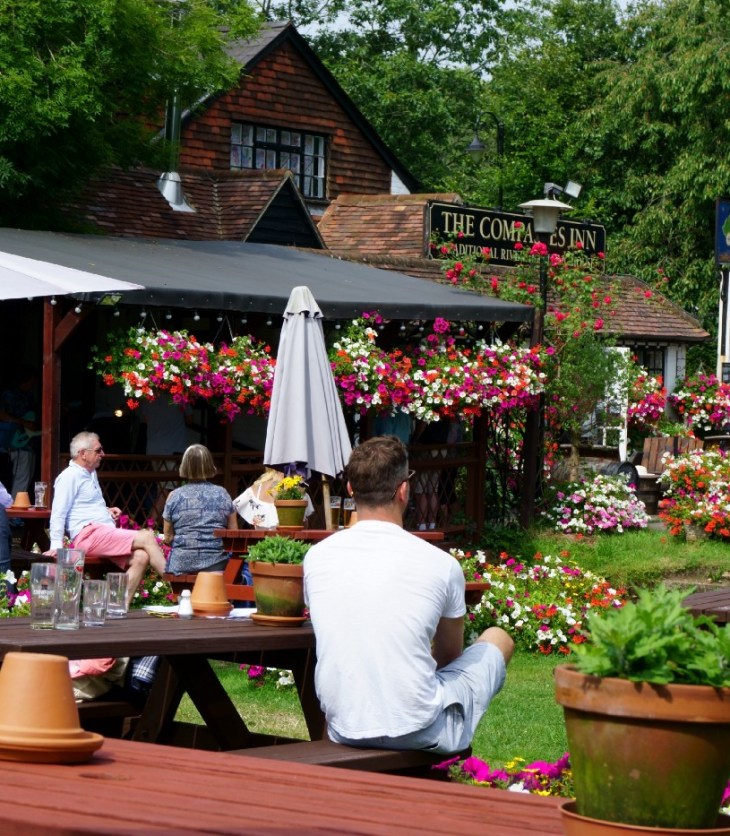
To the man sitting opposite me in the beer garden:
I see that you, too, are enjoying the sounds of conversation. All the tables around us are occupied, and people are chatting about their friends, their annoying colleagues, their vaguest of plans for future holidays. It is divine.

The first thing I ever bought from Vienna was a postcard. It was November of 2014 and having decided that nineteen was a good age for this specific young individual to start experiencing the wonders of this specific world all on her own, I set out to do just that. Just me, myself, and what experience those nineteen years could afford me.

Letter writing — it’s a phrase that feels like a thing of the past, like VHS, or cassette tape, or rotary phone. There are now entire generations who don’t know what it feels like to receive a real letter in the post, let alone write one.

‘I didn’t decide to be a writer. I still haven’t really decided to be a writer.’
It’s a cloudy December 2019 afternoon in a quiet corner of Peckham, before COVID-19 was headline news. Around us, the oblivious bustle of café Petitou would in mere months be a thing of the past.

Like many authors’, David Willey’s writing emerged from a casual hobby. However, it was when he switched from his full-time position to a part-time job at a charity that he found he had more free time to write prolifically. Despite the many perks of this new job, money, he admits, was not one of them.

Letter by JL Bogenschneider
We miss you. All of you and everything: the components that were known, unknown and those neglected parts that even now we’re finding so many uses for in their absence. We miss the filling-in that was you and find ourselves resentful of spaces you might have occupied.
An interview with Gonzales on the portrayal of women in fairy tales, popular culture, and most importantly of all, how to write real women: by ‘believing that they are real people.’
‘I struck a deal with myself to write one social media post every day no matter what life deals me about a decade ago. The only condition: to be drafted within fifteen minutes’.
When Annie Syed appeared on the other side of my screen, courtesy of the revered, overused, and somewhat dreaded magic of the infamous Zoom call, it only took a wave, a breath, and an observation, before our conversation began. Unsurprisingly, it was about words.
 theletters.page