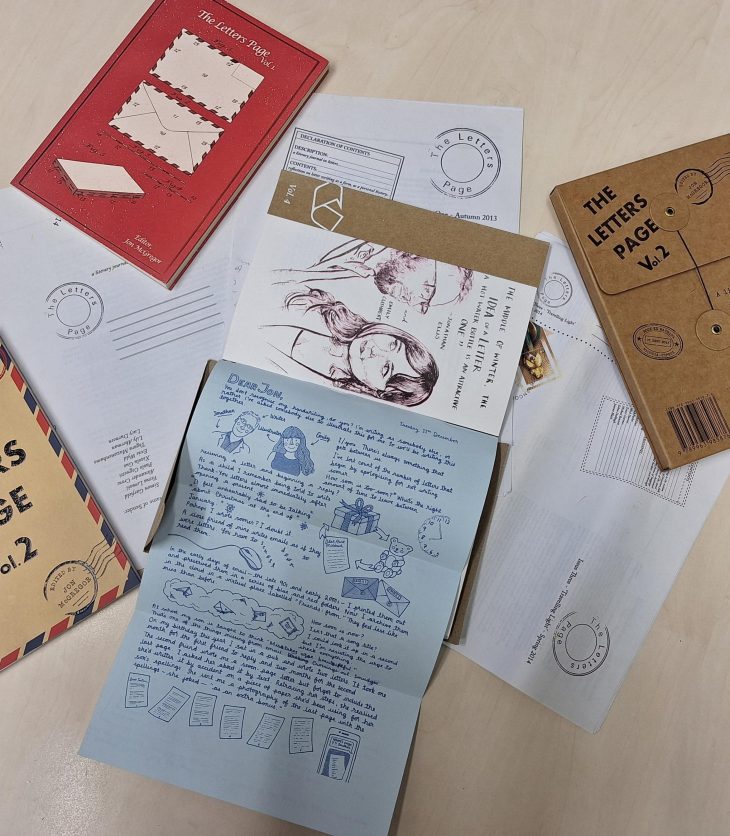
What began as an unsuspecting blog page, advertising itself as ‘the letters page for a journal that doesn’t yet exist‘, soon morphed into a professionally produced journal of which every page was a letters page.
Author: letterspage21
To trace the origins of letters is to trace humanity’s evolution, from necessity to narrative, from survival to expression. Letters serve as proof that human culture hinges on exchanged words between people and the faith that understanding can cross time – something illuminated by the upcoming print issue of The Letters Page.
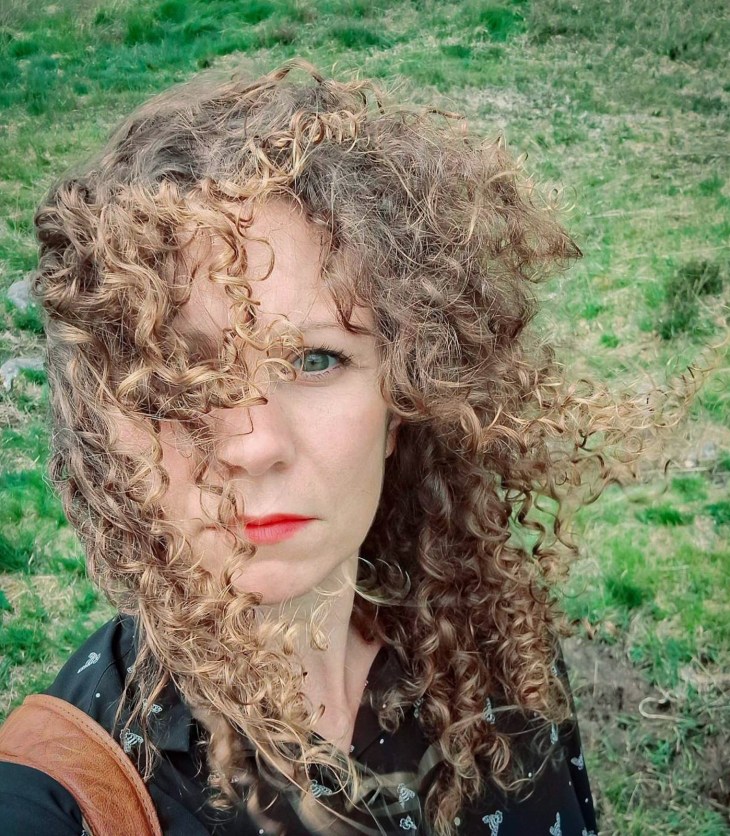
Letters are important to our latest contributor, Rachael Smart. So much so, that she will send them even when she’s unsure whether they will ever reach their intended addressee. When I ask who received her most recent missive, she reveals that it was Dolgellau, a mountain town in Wales. Or, at least, she hopes it was received.
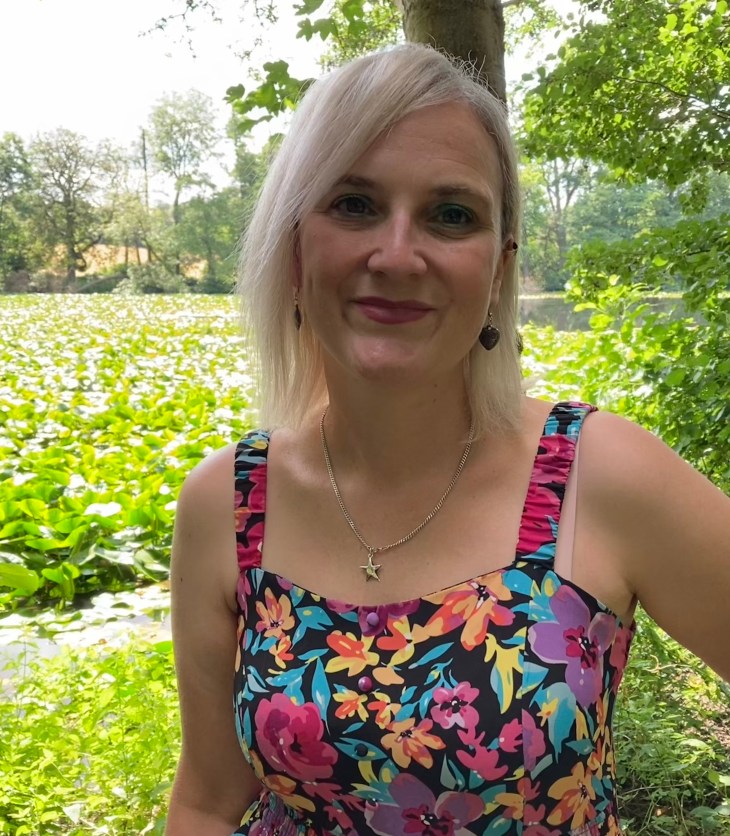
The return to ‘shed season’ provides our latest contributor, Nicola Varley, with ‘that bit of space to think and drift off and daydream’, discovers the The Letter Page’s Maria Rocha, as she sits down with Nicola to discuss the creative process, her hopes for the future… and cat pictures.
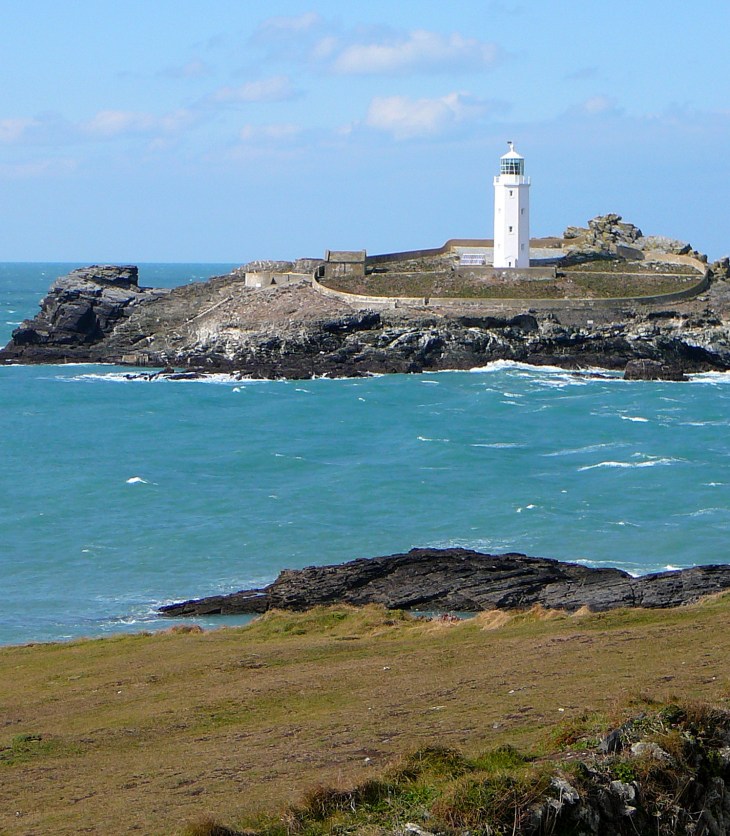
‘The natural beauty of British coastlines has long inspired writers to pick up their pens’, writes The Letters Page’s Amy Plant as she discovers the surprising links between a Virginia Woolf classic and our latest published letter.
Alan Cleaver’s latest book Postal Paths reads like a heartfelt letter to a world that is quietly slipping away: the tactile world of envelopes, stamps, and the steady steps of our rural ‘posties’, writes The Letter Page’s Maria Rocha.
The latest contributor to The Letters Page, Clive Cass, has an avowed passion for art history, and in his spare time ‘read[s] a lot of factual information on art and artists’. So what better way to thank him for his letter to us than with a year-long subscription to the arts and culture magazine Aesthetica?
Clive Cass reflects on his journey of self discovery and emotional expression in this interview, demonstrating the power of the letter as a tool of self-reflection and as a mode of expressing gratitude to those who have helped us on our path.
Clive Cass’s letter to us reveals that writing is a deeply personal and artistic act. Here, Maria Rocha reflects on historical artistic depictions of letter writing, showcasing an evolution from divine to domestic themes, and emphasising the emotional power and creativity inherent in letters, even in today’s digital age.
Nay Saysourinho reflects on the power of stamps and letters, emphasising their potential to carry emotional and historical weight. Her creative process intertwines personal storytelling and artistic expression, demonstrating how small gestures can leave lasting impressions.