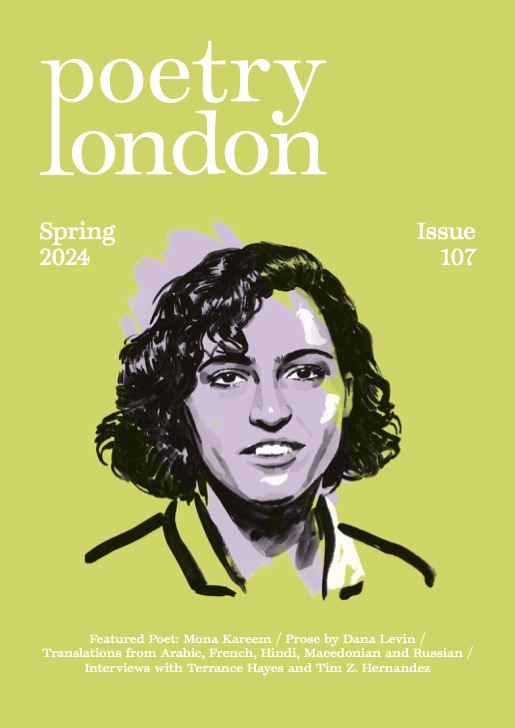
“Our understanding of change is that it is argumentative and uninhibited, and Poetry London will do all it can to encourage that kind of Poetry and be home to it.”
– André Naffis-Sahely Editor for Poetry London
“Our understanding of change is that it is argumentative and uninhibited, and Poetry London will do all it can to encourage that kind of Poetry and be home to it.”
– André Naffis-Sahely Editor for Poetry London
The latest submission to be published in The Letter’s Page is a deliberately shocking letter by writer and poet Ali Rowland, as a manipulative ex tries to control the narrative of a past relationship. Last week, I sat down with Ali to discuss the inspiration behind her piece and what she thought about writing in the often-forgotten form of the letter. Our discussion was incredibly insightful, and we enjoyed discussing a range of topics, including mental health, communication and the human experience.
‘I remembered recently that Thomas Hardy, when out walking, composed poems in his head- if lines came. He was frequently underway without pencil and paper, and when this happened he used a piece of chalk and a lead or a stone to capture fleeing words.’
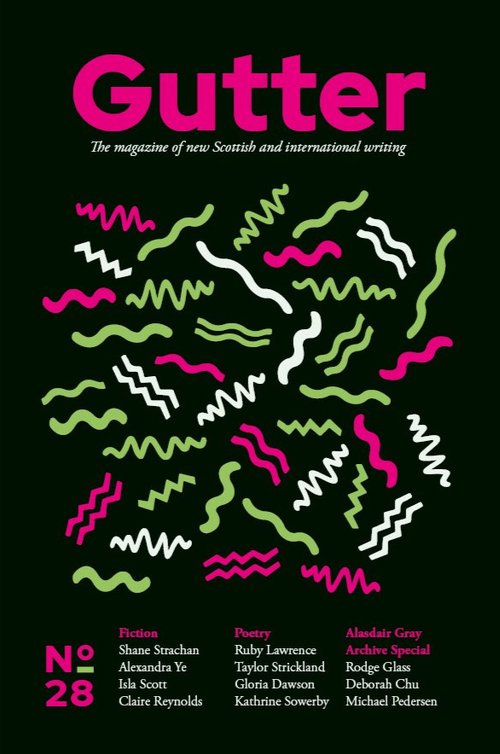
In true The Letters Page tradition, we’ve sent Rolf Venner, the author of our upcoming letter, a gift subscription to one of our favourite literary journals as a payment-in-kind for his work. The subscription we’ve chosen this month is Gutter, the magazine of new Scottish and international writing.
‘I’m always firing off letters, not just to The Letters Page, but also to friends and family… and dead people – but then I can’t send them, so I just write as if everybody’s still there. I just keep them in a drawer, with instructions for having them burnt one day. They’re a form of diary, letters are part of that.’
In an arrestingly tender letter to her brother, Martha O’Brien asks several insightful questions about the role of grief and the impact it has on both private and public communication. She wonders whether the way she and her brother Kieran have corresponded recently ‘is a bit like those broadsheets’, which seem only ever to report on ‘the world’s disasters’, a comment Kieran made while listening to the news on the car radio.
“I have found that in the past I’ve just been making the despair convincing. I’m like, ‘Wow, the world is ending,’ but actually- if we’re in relative safety and comfort- there is a way that we can make help possible for the people who aren’t.
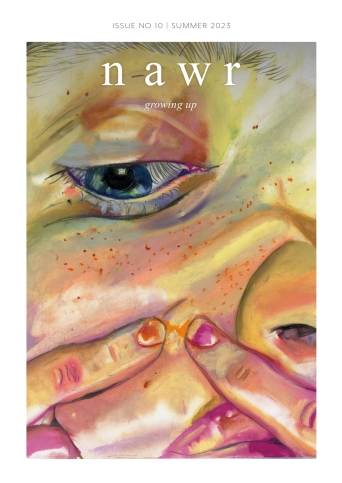
Martha O’Brien, the chosen author of our upcoming letter, is also the co-editor, along with Anna Bland of nawr. nawr is an online, soon to be in print magazine, publishing contemporary Welsh Art, Literature & Philosophy and is designed by Anja Quinn Design.
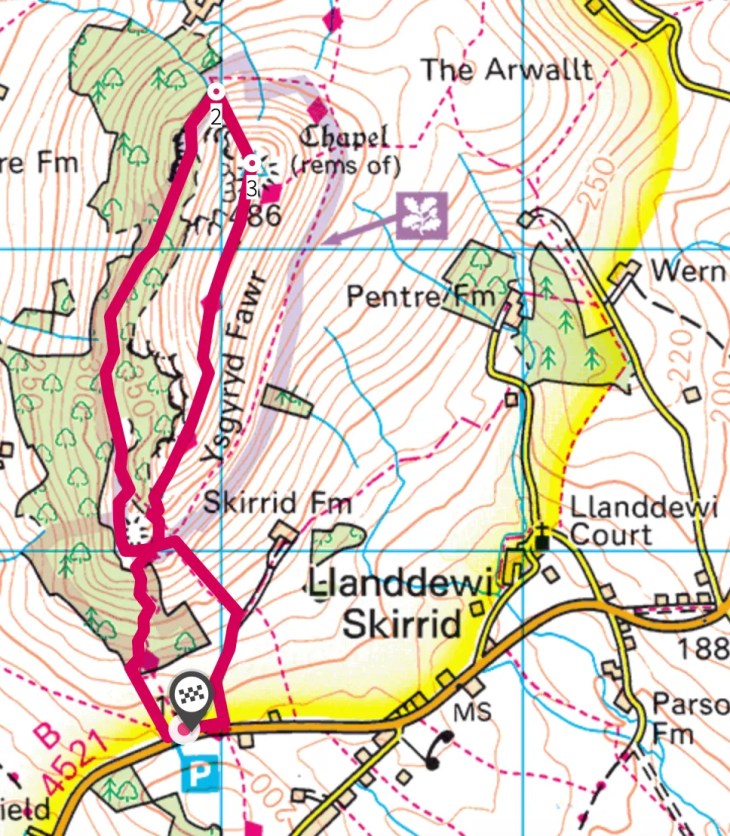
Martha’s letter emerges from the landscape of South Wales, so it is not surprising that the philosophy behind the journal she co-founded is to explore how creativity can be uplifted through national identity. Its name nawr, (Cymraeg for ‘now’) reflects a celebration of the contemporary, its contributors joyfully explore what it is to be Welsh today.
What if restrictions were placed on language? If certain letters of the alphabet were banned, and all written correspondence scanned for their forbidden use? These are the questions explored by Mark Dunn in his 2001 novel Ella Minnow Pea: A Novel in Letters.
Dunn’s letters exist in both senses of the word; the novel is epistolary (written as a series of letters) and progressively lipogramatic, as Dunn drops ‘banned’ letters from his writing one by one
If you walk 90 miles west of Dunhuang, into the depths of the Gobi Desert, you will find a watchtower. A sand-scarred remnant of the great Jade Gate. A desolate place. The end of the Silk Road, if you will.
In 1907, the intrepid explorer and cartographer Sir Aurel Stein came across this tower. Upon exploring the ruins, he discovered a cache of five letters in an unknown script