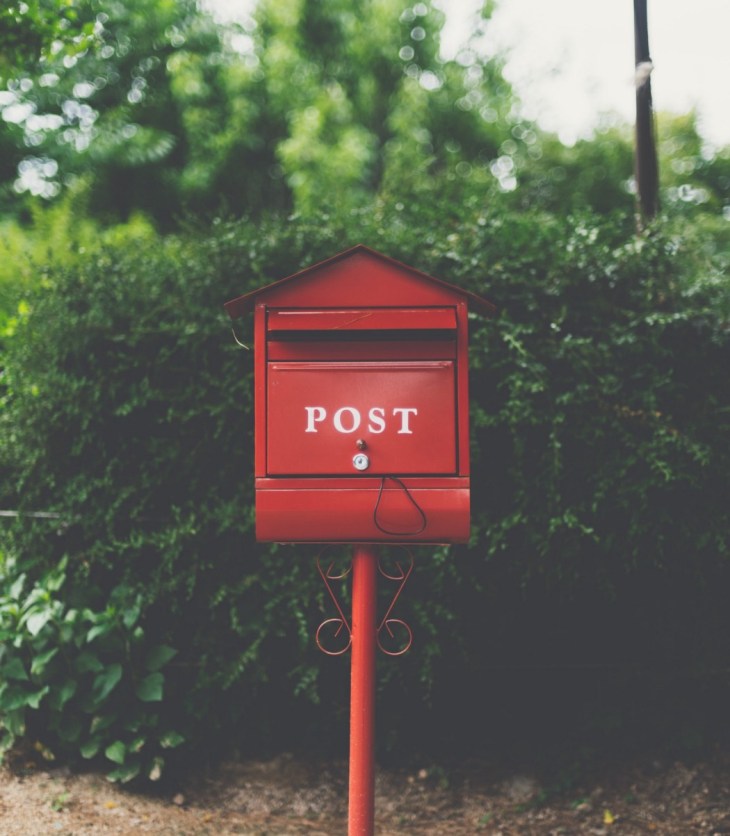
There is an excitement that comes from waiting for a letter to arrive. These days, the closest most of us get to this feeling is another Amazon parcel through the door (or chucked over the fence). But it’s not quite the same, is it?
There is an excitement that comes from waiting for a letter to arrive. These days, the closest most of us get to this feeling is another Amazon parcel through the door (or chucked over the fence). But it’s not quite the same, is it?
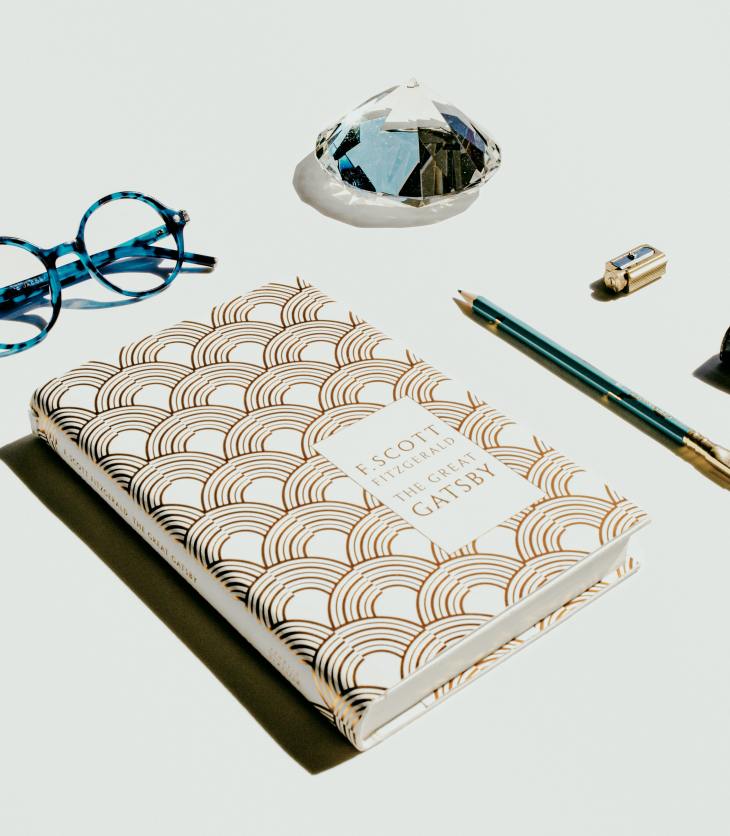
When my father was twelve years old, he used to work at a paper mart. He spoke only in his mother tongue, Gujrati. Although English wasn’t his first language, he was determined to master it. He couldn’t afford to buy books in English and those were rare to come by in the rural town of Jamnagar in Gujarat. In his spare time between sorting out old magazines and stacking newspapers, he would sit down with a tattered copy of ‘The Great Gatsby’ and attempt to learn.
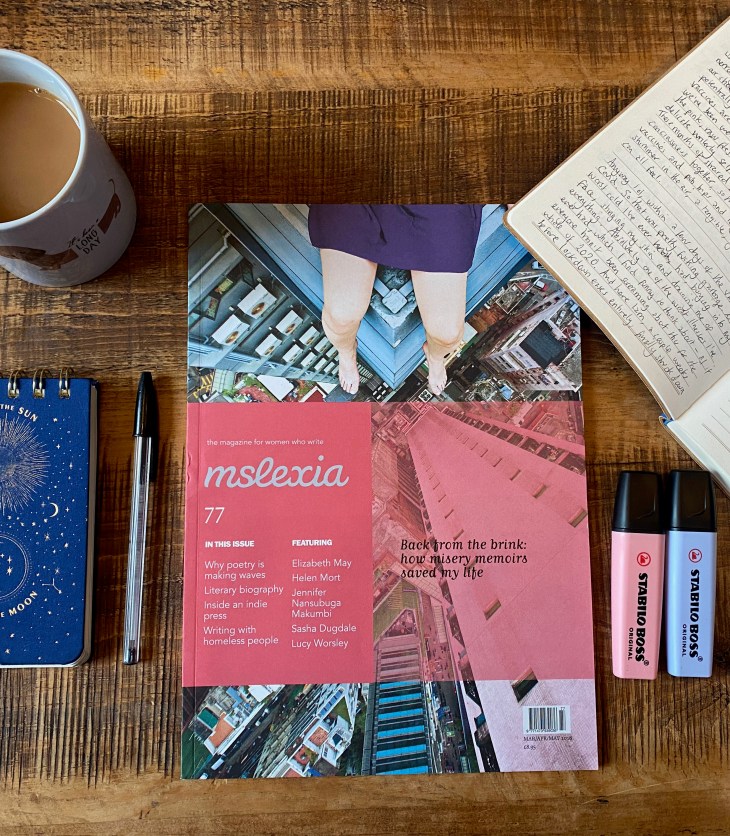
It was ten years ago when I first picked up a copy of Mslexia. At the volatile age of 17, I was just starting to stretch into the world of writing – scrawling angst poems on coffee cups, napkins, the sole of my shoe. I didn’t know how to turn my dreams of being a writer-turned-millionaire into anything real or concrete, and well-meaning teachers had no idea which direction to point me in.

Whenever I read the word damsel, I’m instantly transported to the year 1999. There I am sat in front of the tv, eating a plate of – now extinct – turkey dinosaurs, watching another episode of Scooby Doo where, yet again, Daphne finds herself dangling from a tall structure, waiting to be rescued by one of the male leads. But, while Daphne is the ultimate damsel in distress, the voices emitting from ‘Dear Damsels’ could not be further from this notion.
As a lover of everything literary, I grew up on regular weekend visits to the local library. Some of my fondest childhood memories feature my sisters and I, sleepy-eyed on a Saturday morning, our mum having just let us loose amongst the bookshelves, before convening in a quiet spot at the back of the building to devour our findings.
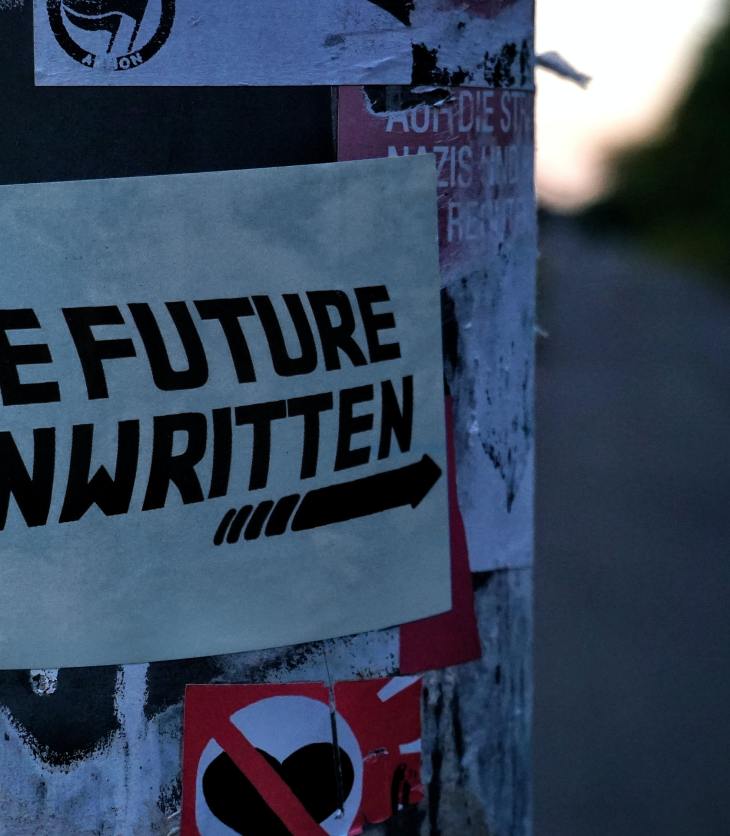
Letters are visions into the past. Something the world seems to have moved beyond, replacing them with instant communication that has at once pulled us all closer together but pushed us further apart as well. Looking fondly back at the past is a global human past-time, I know I am guilty of it, but the opposite side of the coin is looking forward – something that can be just as important and cathartic.
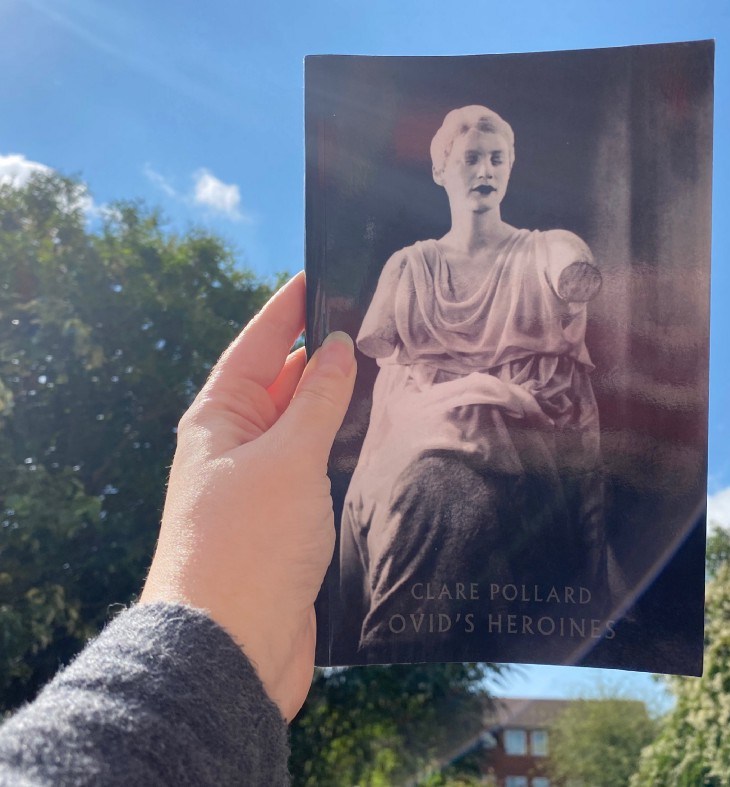
“In many ways a letter and a poem are very, very similar things.”
As the summer heatwave rages on, I have chosen today to sit in front of the screen and chat with poet and author Clare Pollard about writing in translation, feminist letters, and epistolary poetry of past and present.
I meet Helena Durham in a museum cafe on the twelfth of December. Jingly Christmas music is playing by the counter, and there’s a background chatter as we sit down. She asks me if I’ve voted yet.

This year, I moved to the United Kingdom to pursue a Masters at the University of Nottingham, and since starting my undergraduate studies and spending two terms abroad, leaving has come to feel like an inevitability. The constant ache of homesickness, the hopeless juggling of time differences, is something I’ve come to accept. But when I feel the 3296 miles of distance, I know to write to my mother.
Reading is often viewed as a solitary task, undertaken in a state of quiet concentration, but for Dr Kevin Harvey, an associate professor of sociolinguistics at the University of Nottingham, reading can provide a whole host of benefits when made collaborative.
 theletters.page