Virginia Woolf, Saudade and the Shore
By Amy Plant
Edited by Naomi Adam & Maria Rocha
Our latest published author, Nicola Varley, writes to us from Sheringham Beach on Britain’s Norfolk Coast. In her letter, she reflects on ‘every version’ of herself that has created memories on this same shore.
The natural beauty of British coastlines has long inspired writers to pick up their pens (or to open their Word documents). One such writer is Virginia Woolf, one of the most influential literary voices of the twentieth century. Her novel To the Lighthouse (1927), in particular, draws deeply from childhood beachside holidays and the lighthouse that backdropped them.
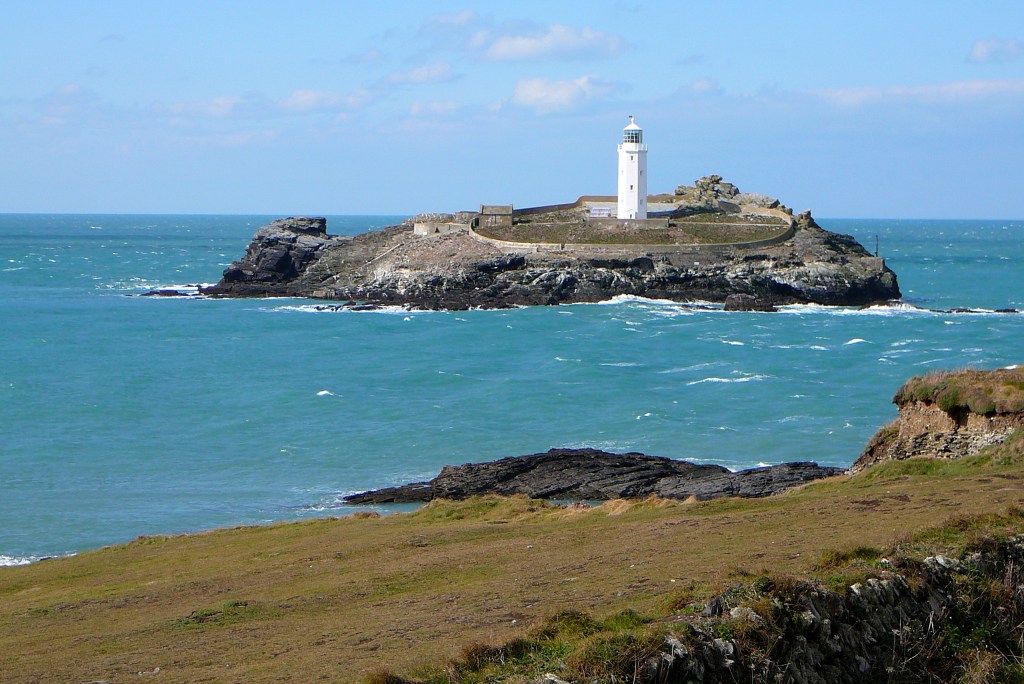
Born into an upper-middle-class Victorian family, Woolf had the privilege of leaving behind her London townhouse for a few months every year, servants in tow. Her family ‘summered’ at Talland House, a spacious villa in St Ives, Cornwall, that still stands today. Just about visible from its garden is the stark white of Godrevy Lighthouse, almost 4 miles away. Built in 1859, this lighthouse would have been a familiar sight for the young Virginia Woolf.

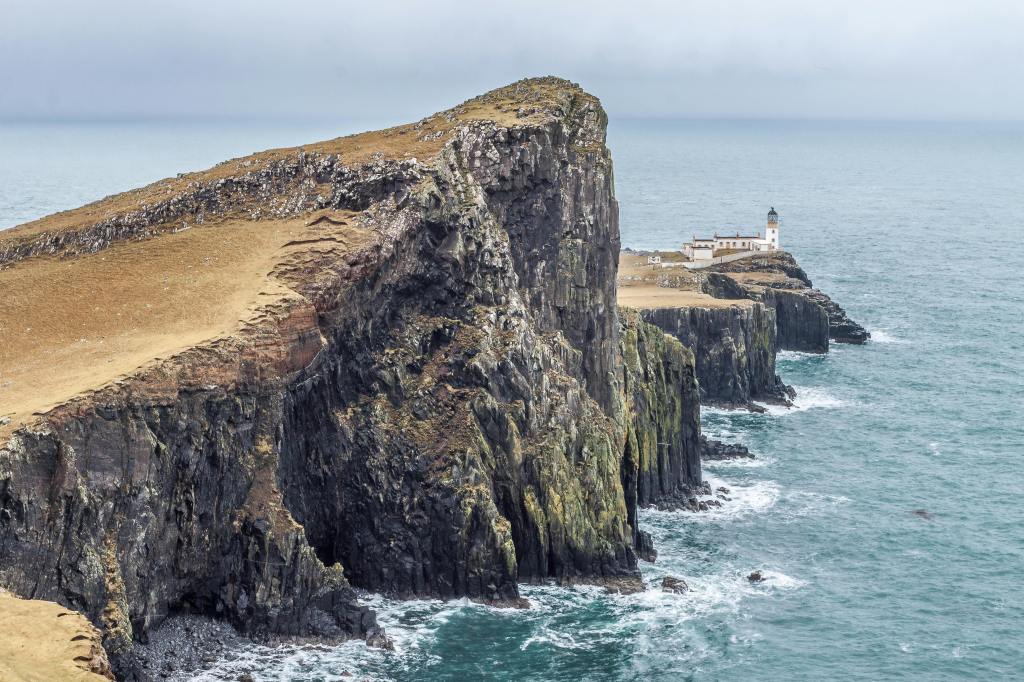
Although the novel To the Lighthouse is set mostly on the Isle of Skye, rather than in Cornwall, it is likely that Godrevy served as the novel’s main inspiration. While Skye has its own lighthouses, the most famous being Neist Point, Woolf had never visited Skye when she wrote To the Lighthouse in the late 1920s. Instead, the novel’s contents are more closely tied to her emotional and visual memories of Talland House.
To the Lighthouse follows the Ramsay family and their summers spent at a holiday home on Skye. After the outbreak of World War I and the sudden death of the beloved family matriarch, Mrs Ramsay, the house sits unoccupied for a decade; her passing devastates the family and renders those happy summers impossible to recreate. This narrative mirrors Woolf’s own life. She was thirteen when her mother died suddenly, and the family never summered at Talland House again. It would be ten years before Virginia would return to St Ives, the same amount of time it took for the Ramsay children of her novel to return to their summer home after their mother’s death.
Throughout her adult life, Woolf often returned to Cornwall in search of solace and inspiration. In addition to To the Lighthouse, her novels Jacob’s Room (1922) and The Waves (1931) also draw from memories of Talland and the Cornish coastline. On her final trip to St Ives in 1936, Virginia and her husband Leonard Woolf slipped into the garden of Talland House. Leonard later wrote:
‘Virginia peered through the ground-floor windows [of Talland House] to see the ghosts of her childhood.’
Nicola Varley expresses similar sentiments in her letter to The Letters Page. As she sits on Sheringham Beach, she contemplates the ‘hundred different people’ she has been on that same shoreline: a child, a teenager, a mother – and today someone different still. Time passes and we change, but nature, including our beloved seaside beaches, remain. They become constants we can return to. Nicola explains that she is drawn to Sheringham for the ‘freedom to think and write’, a sentiment undoubtedly shared by Woolf, as amidst the remote beauty of Cornwall she produced some of her finest work.
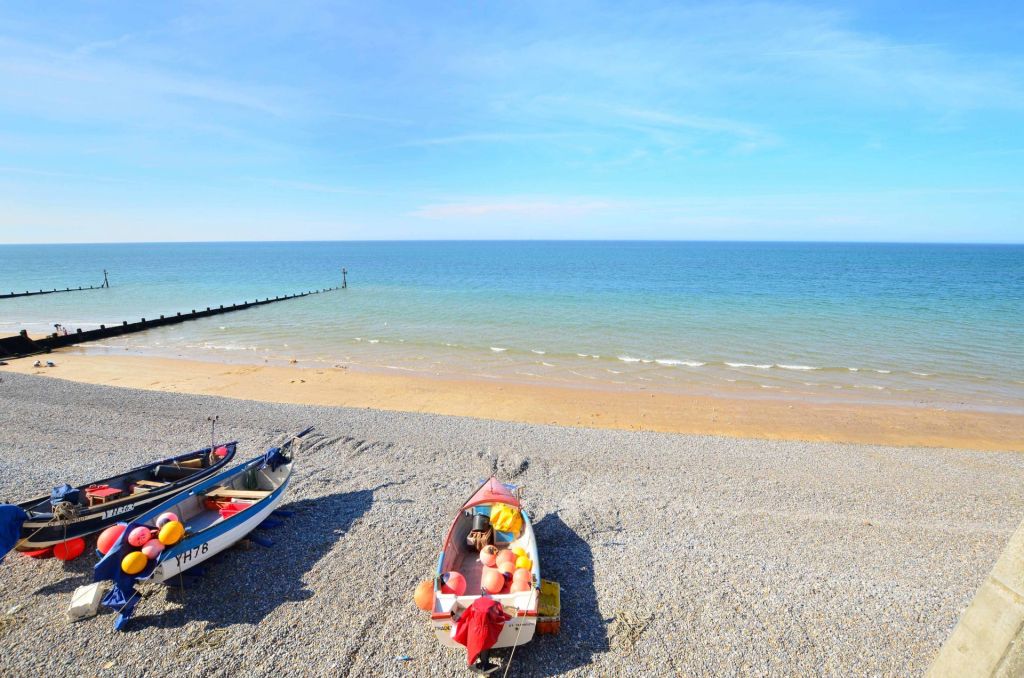
Perhaps there is something about a good beach that invites nostalgia, reflection, and an overwhelming desire to write. Maybe it is the hypnotic experience of watching the lulling waves. Maybe it is the feeling of sand underfoot, which personally always makes me more grounded and peaceful. Or maybe it’s because so many of us in Britain associate beaches with past versions of ourselves. No inhabited place in Britain is further than seventy miles from the nearest coastline, making the seaside a national cultural tie.
A word that captures this experience well is saudade – a Portuguese term for a deep, melancholic yet comforting feeling for something in our lives we can never return to. Our past childhood holidays and teenage beach trips are out of reach, but the memories don’t have to weigh us down. Reconnecting with places that hold these memories can bring us joy, grounding, and a sense of home.
Sitting on Sheringham Beach, sand between her toes, Nicola concludes her letter with a powerful reflection on continuity and hope:
‘I have been alive for forty-five years; I could live for another fifty years or more. I hope I visit this beach for every one of them.’
The Letters Page team are back in the office, and ready to read your real letters again. We publish stories, essays, poems, memoir, reportage, criticism, recipes, travelogues, and any hybrid forms, so long as they come to us in the form of a letter. We are looking for writers of all nationalities and ages, both established and emerging.
Your letter must be sent in the post, to:
The Letters Page, School of English, University of Nottingham, NG7 2RD, UK
See our submissions page for more information.
 theletters.page